PropTech / property management ·

Xprop (大廈通)
Turning a building's paper trail into a product four kinds of people can use.
UX
- >30%
- Lower pricing than competitors
- 1,000+
- Users in pilot buildings
- 10%
- Penetration target used for sizing
- 3
- Anchored BD channels
01Project overview
- Role
- Product owner
- Timeline
- 2024 — 2025
- Platform
- WhatsApp · web portal
- Scope
- Discovery through live pilot
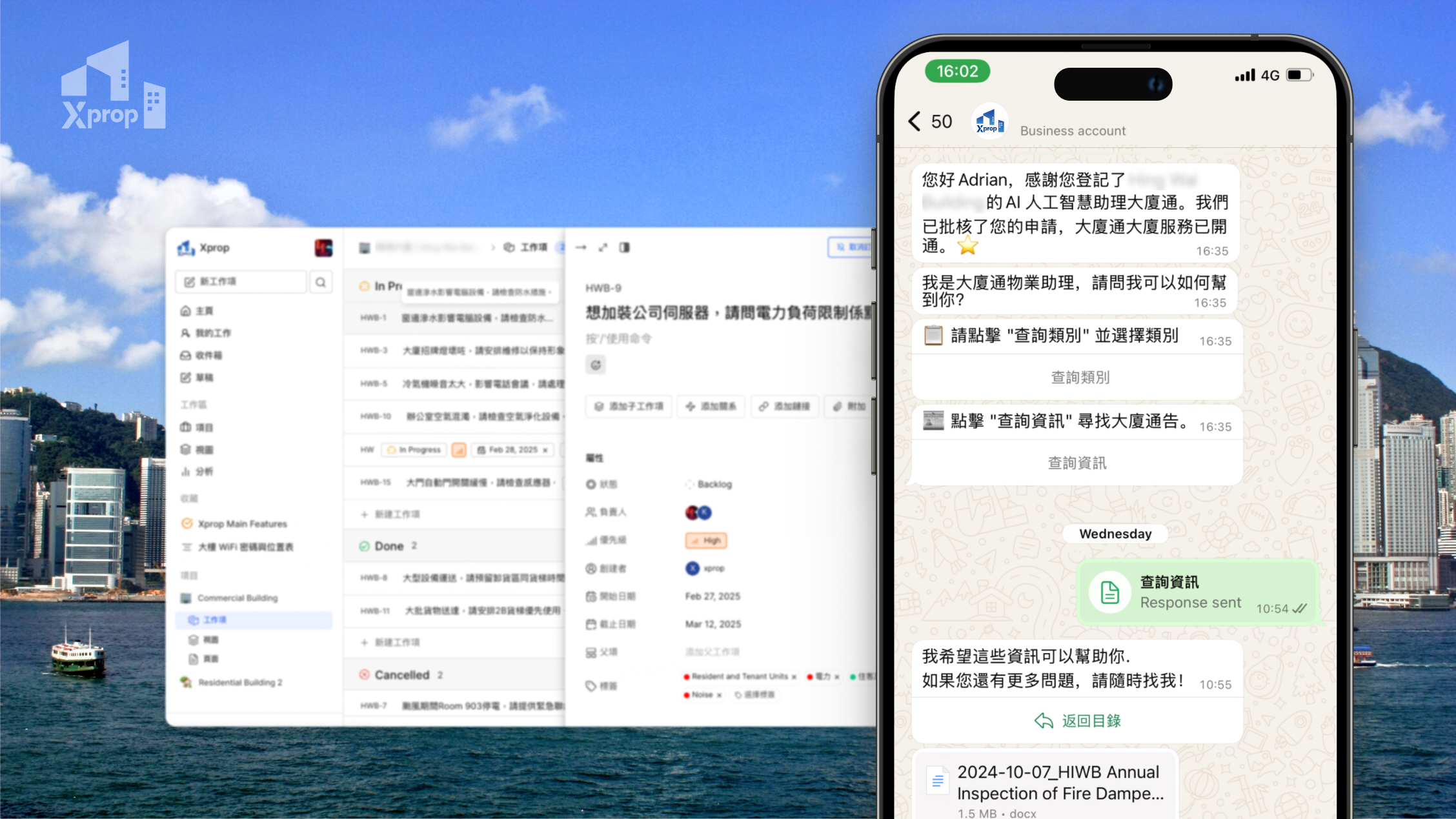
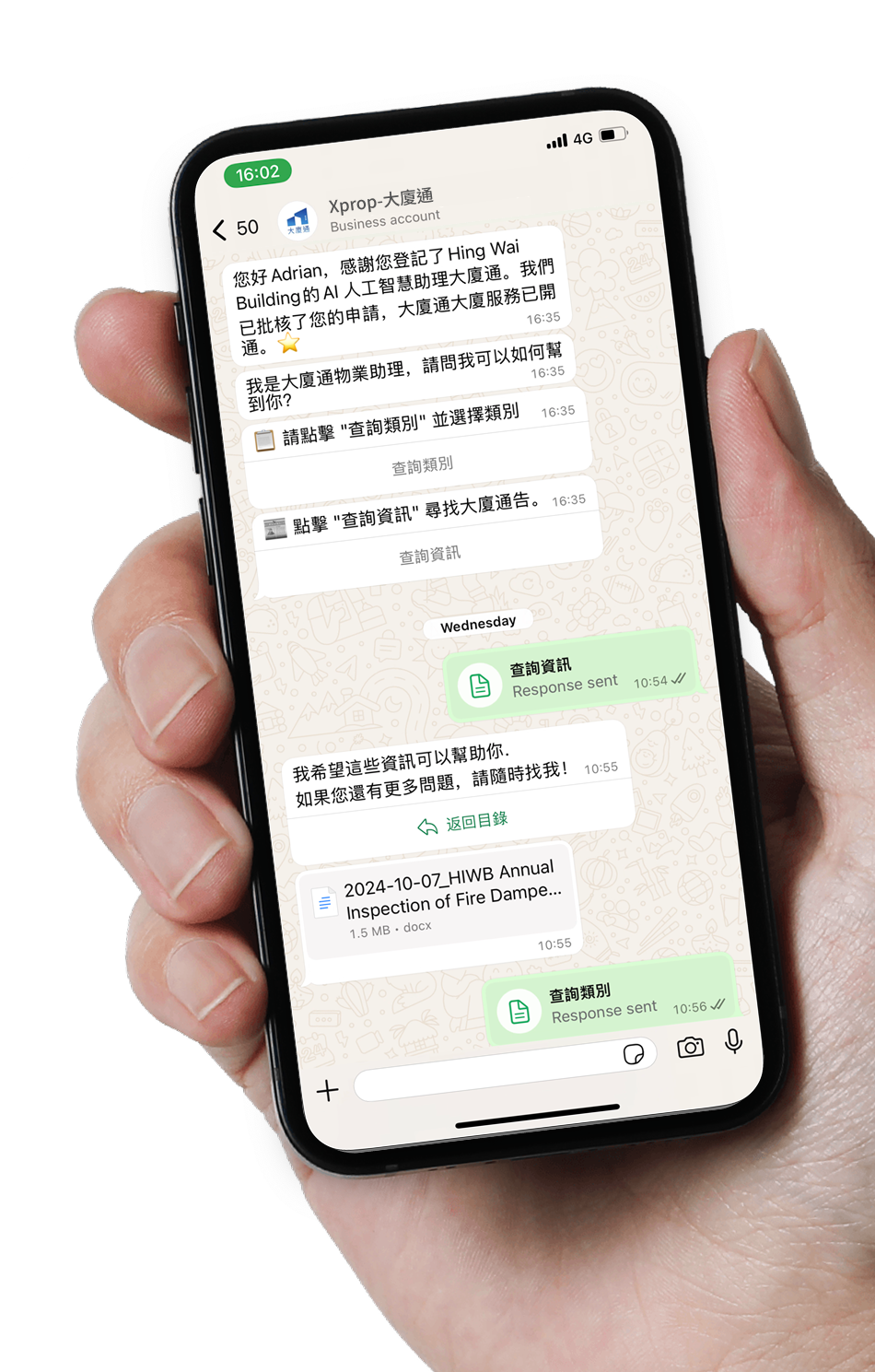
Xprop (大廈通) is an digital layer over the manual-heavy world of Hong Kong building management. Tenants talk to it on WhatsApp — Cantonese voice notes and photos included — and management sees everything in one portal. I ran the discovery, designed the solutions and ship it to biz team.
Inbound — issues & requests
01

WhatsApp inbound
Voice notes · photos · documents
02
ASR + document vision
Cantonese speech and scanned bills → data
03
Classify & route
Tickets, logs, categories
04
Management portal
Dashboards by building, priority, status
Outbound — documents & notices
01
Management upload
Bills and notices, added to the portal
02
Auto-tag & assign
Matched to units against the tenant list
03
HITL approve
A person confirms before it publishes
04
WhatsApp delivery
Tenants see it land in the same chat
Per-tenant visibility — Each tenant only ever sees documents tagged to their own unit
02Target user
Four user types in one reporting chain — and each rung needs a different surface.

The tenant
Pays to access two buildings — the flat they live in and the office they work in — and holds no software for either.
Actions
- Report building issues (e.g. water leaking)
- Stay aware of the bills
- Keep up with building notifications
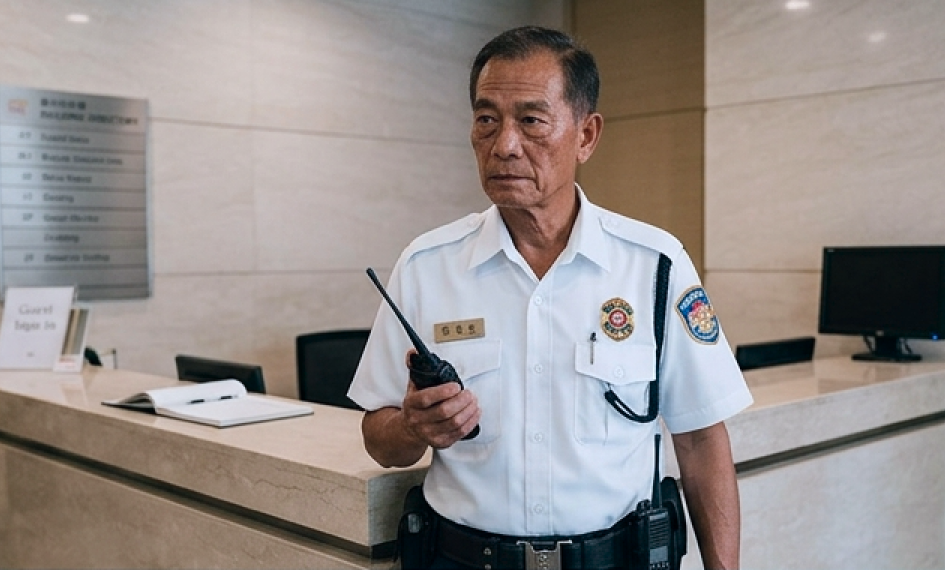
The front-line officer
Runs the day on the ground — messaging, and working out which unit and which block an issue belongs to.
Actions
- 3rd-party service communications
- Tenant communications
- Log the cost and the actions taken
- Report to the property manager
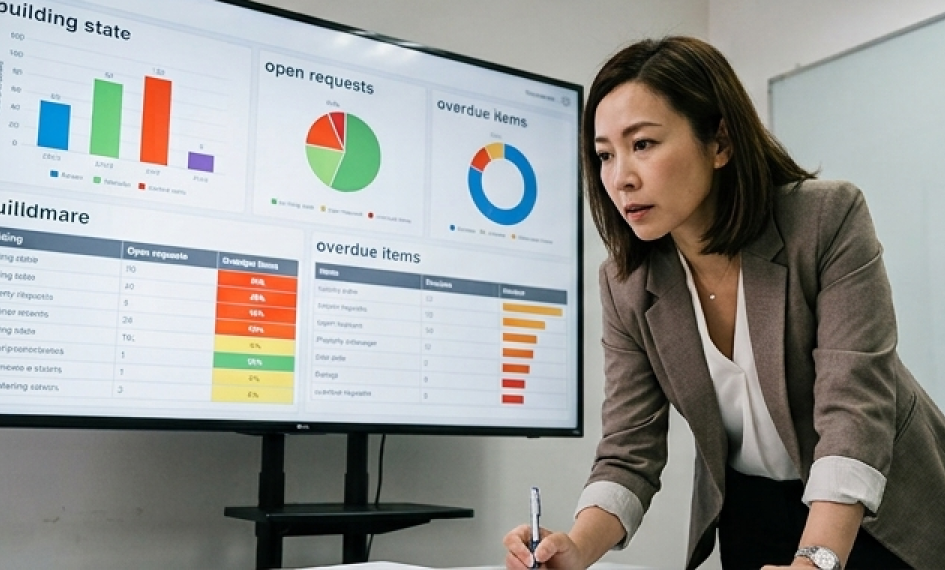
The property manager
Owns the management budget and the service the building is judged on.
Actions
- Reporting on cost and operations
- Task delegations
- Report to the building owners

The building owner
Owns the buildings — and meets them as an asset and a reputation, not as a maintenance queue.
Actions
- Source solutions to get revenue
- PR crisis prevention
- Portfolio for connections
03Situation
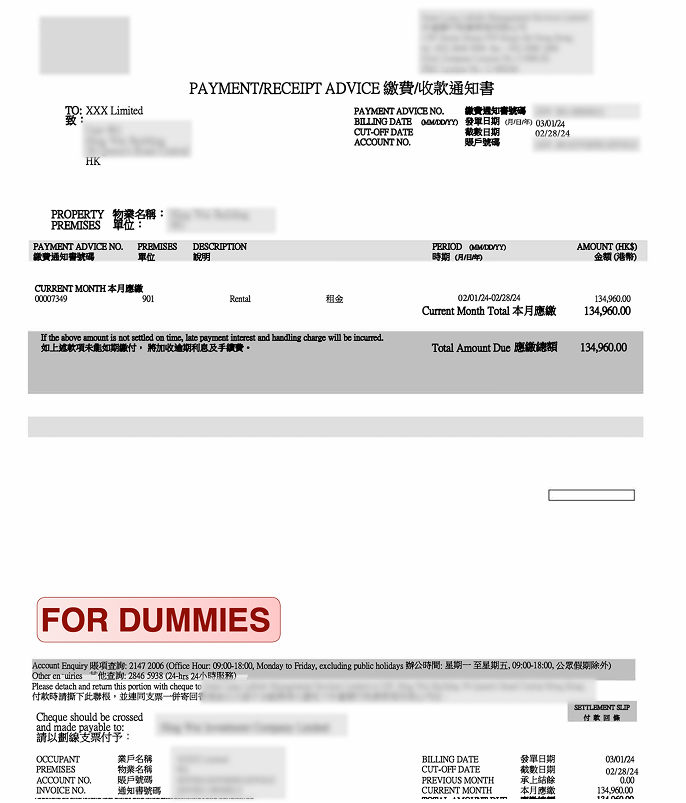
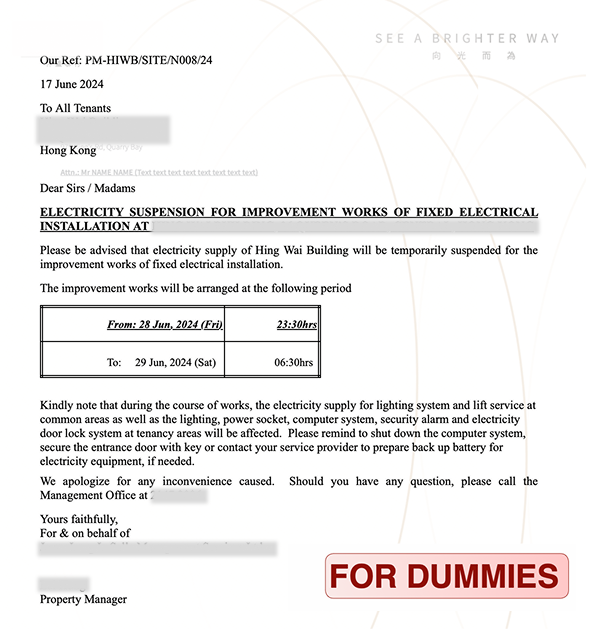
I ran discovery workshops with 4 personas and asked them to bring what they actually work with. Consultation session receieved the data: notices, bills, permits, work orders — paper, plus a 100-person WhatsApp group where the same issue is reported multiople times.
04Problem
They are one chain of command, and the information degrades at every rung.
Each issue is reported over and over, passed up the chain on paper and in WhatsApp. No one can search, track, or answer how long anything took.
Tenant
Sends a Cantonese voice note — water leaking, 8/F lift lobby.
- a voice note
- a photo
- the unit number, in their head
Front-line officer
Works out the block and the unit, calls a third-party service, sees it fixed.
- the contractor's quote
- what was actually done
- what it cost
Property manager
Cannot see that an officer logged the wrong bill ID on purpose — the charge lands against the wrong record, and the tenants never pay it in full.
- a bill ID nobody re-checked
- short payments, no explanation
Building owner
Wrote off HK$1M on a single tenant whose payment and receipt were mis-recorded years ago — too old and too thinly documented for legal to take on now.
- HK$1M written off
- a receipt nobody can produce
- a case legal will not touch
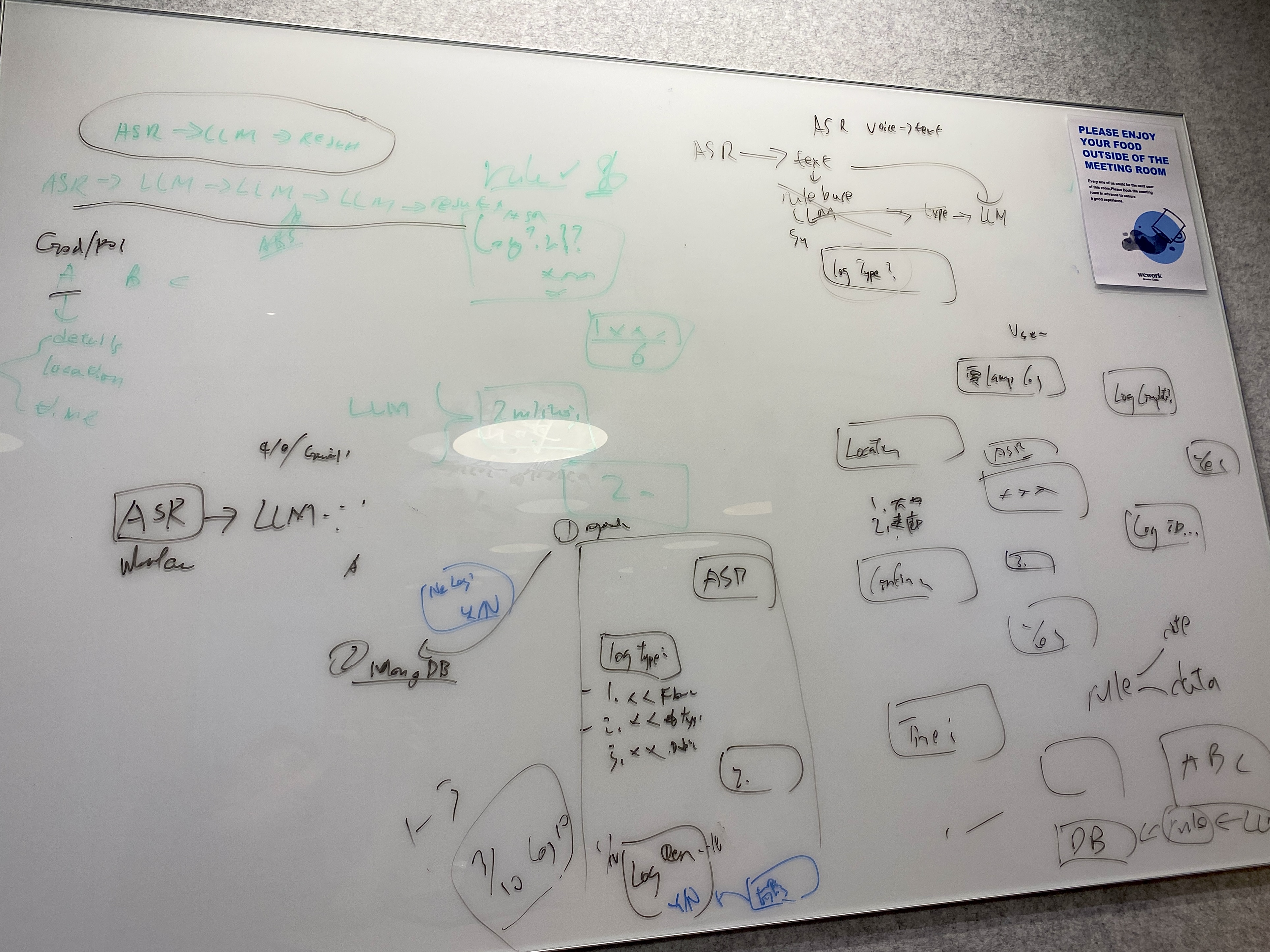
Where the problem got specific
Turning a voice note into text was never the hard part. Deciding what a record must contain before it is worth anything to the rung above was. That argument is what the workshop board below is: which fields a rule can fill, which need a model, and what makes a log complete enough for a manager to count.
05UX solution
Meet people where they already are, then do the structuring behind the glass.
One record
written once, at the rung where it happens
HWB-9 · 漏水 — 8/F lift lobby
- 狀態
- In progress
- 單位
- 8/F lobby
- 優先級
- High
- 成本
- HK$1,850
Tenant
- Reports an issue by voice note or photo — no app, no login, one hand.
- Bills and building notices, filtered to the unit they pay for.
Front-line officer
Portal ticket
writes at source- One thread carrying both the tenant and the third-party service.
- Cost and action logged onto the ticket while doing the job, not after.
Property manager
Dashboard
reads · delegates- Cost and operations roll up on their own — no monthly rebuild.
- Delegation by assignee, with the response clock already running.
Building owner
Digest & alerts
reads only- The portfolio across buildings, without the ticket detail.
- An early warning while an issue is still an issue, not a PR problem.
The record the officer fills in while the leak is being fixed is the same one the manager reports on and the owner is warned by. Nobody upward re-types it — that is the product.
06Final prototype
The shipped journey, both surfaces, and the trace that let management answer for the building.
The end-to-end journey, as shipped
- 1
A tenant sends a Cantonese voice note on WhatsApp.
- 2
Speech recognition transcribes it; the system classifies and routes it.
- 3
Front-line staff pick it up on the dashboard and reply in-thread.
- 4
Manager and owner watch it close on dashboards and alerts.
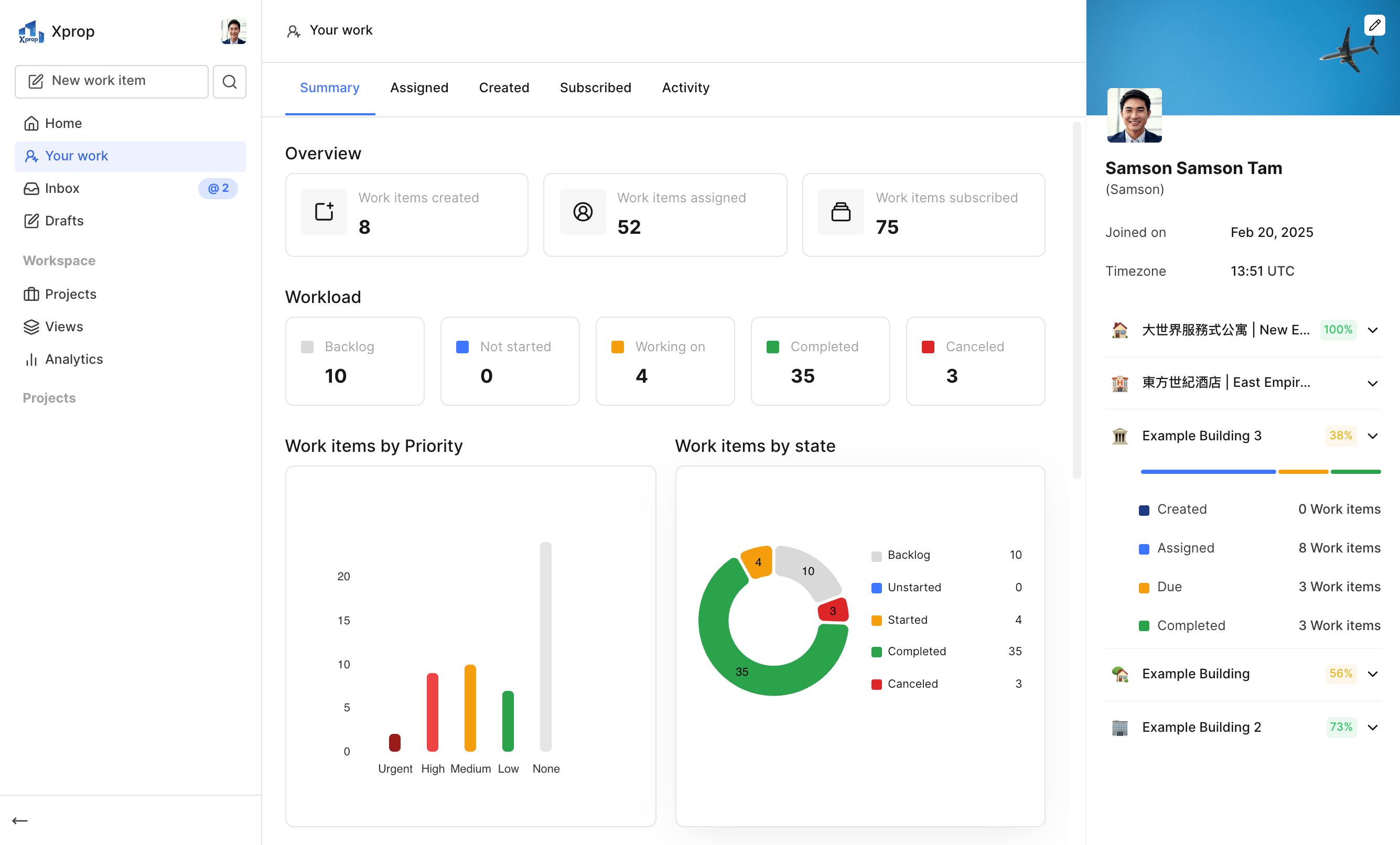
Traceable dashboard for property manager and building owners
- Every figure opens back to the job that produced it.
- Cost traced per building, per unit, per contractor.
- Response and close times measured, not estimated.
- The owner's roll-up is the same records, not a second report.
Audit trail
one record, every hand it passed through
HWB-9 · 漏水 — 8/F lift lobbyHK$1,850
- 16:02TenantReported — voice note + photo
- 16:14Officer 陳Assigned — Block B, 8/F lift lobby
- 17:40Officer 陳Contractor quote attached — HK$1,850
- 18:20Officer 陳Closed — receipt #A-2291 attached
↑ every number below opens back to this trail
Property manager reads
Cost by building and unit · response 2h 18m
Counted off these timestamps, so a bill ID that does not match its job shows up.
Building owner reads
Portfolio roll-up across buildings
No figure without a receipt still attached behind it.
07Impact & results
- 1,000+
- Tenants live on the pilot
- 3
- Property players anchored
- >30%
- Below incumbent pricing
Real residents in real buildings, not a prototype audience.
Won by showing their own workshop documents flowing through the product.
Cantonese-first and WhatsApp-native, at a price these buildings can sign.
The lesson I carried forward: the channel people already use beats the interface you would rather design.
08AI-native execution
AI did the reading and the routing; every judgement call stayed with a person by design.
Figma — Wireframes, UI screens and dashboard flows — the shared reference for a team split across functions.
Framer — A shareable proof-of-concept site, so the concept could be sold before it was built.
Otter.ai — Discovery calls transcribed into citable evidence, so a requirement traces to who said it.
Mermaid — Architecture and data-model diagrams authored as code.
Linear — Roadmap, milestones and a gated backlog across the whole delivery.



Teammates Involved
Agents did the typing. These are the people who set the direction, argued the trade-offs and reviewed what shipped.
 BD
BD AI Engineer
 Full-stack Engineer
 CTO
CTO